
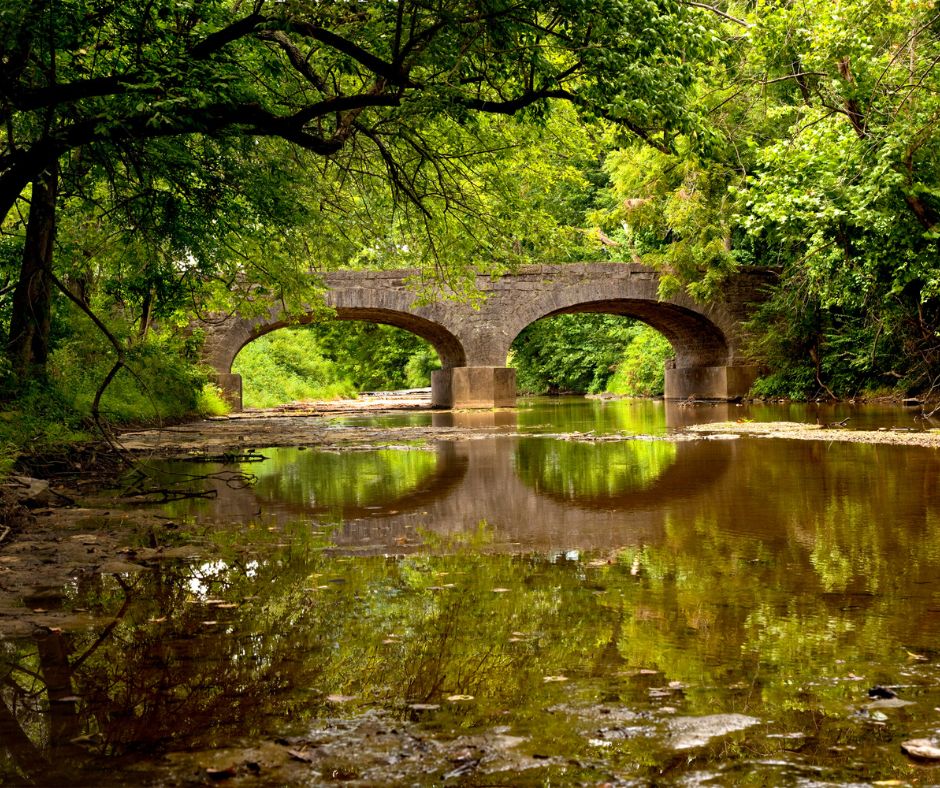
The Old Stone Bridge, as that Goodlettsville landmark is now known, truly is old, truly is stone, and truly is a bridge. However, there is so much more to its history than just these three facts. While most in Goodlettsville may just drive by it and notice an historical marker but nothing more, I am here to tell you that the history that has accumulated around this structure is truly fascinating.
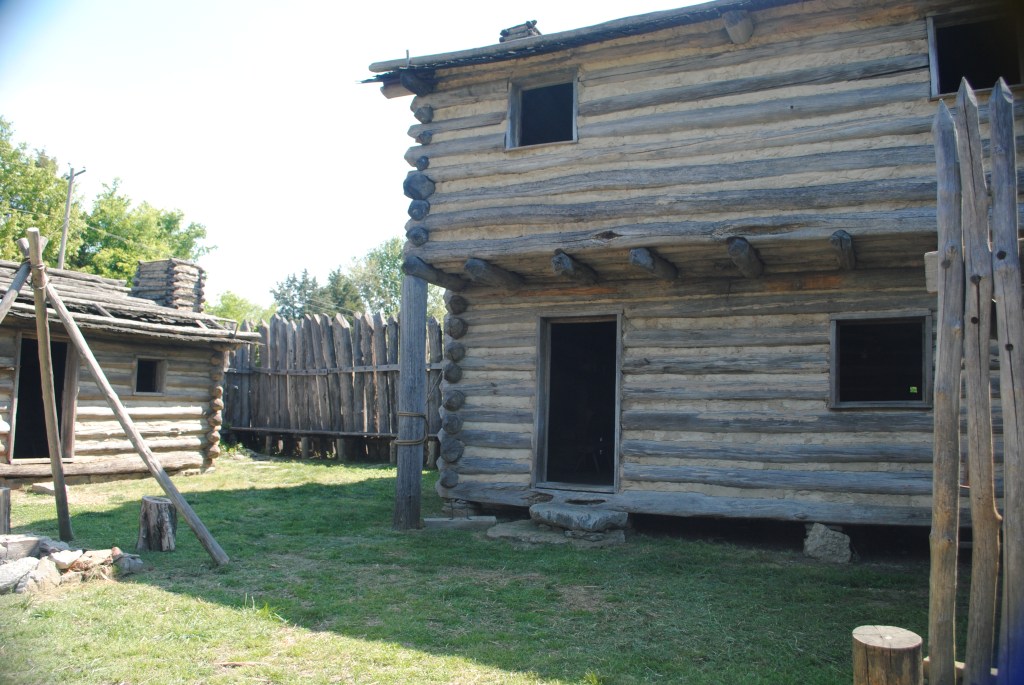
In Goodlettsville’s early days, after the settlement at Mansker’s Station but before it was first incorporated as a city, there was an influx of people traveling between the two major cities in this area: Nashville, Tennessee, and Louisville, Kentucky. Goodlettsville just happened to be right in the path of this journey. Because of all these travelers coming through Goodlettsville, it was decided that a new means of transportation was needed. Wagons and horses could only take people so far so fast. Something else was necessary.
Construction of this bridge was begun around 1837, when these officials decided to build a stagecoach line between these two major cities. Spanning Mansker’s Creek, this bridge was made entirely from limestone, and no mortar was used to support the stones. The double arches added beauty to an otherwise plain, utilitarian object. It was built to last, and apparently they did it right, since it is still here today.
When the Louisville & Nashville Turnpike became operational in the 1840s, stagecoach travel was rough. Though it was the fastest means of transportation at the time, it was by no means the most comfortable. To travel by stagecoach in the 1840s was jarring, bouncing over stone and gravel roads riddled with potholes, and without the suspension that modern cars have. You would be tossed back and forth for the entirety of the drive, and you would ache in places you didn’t even know you could before the ride.
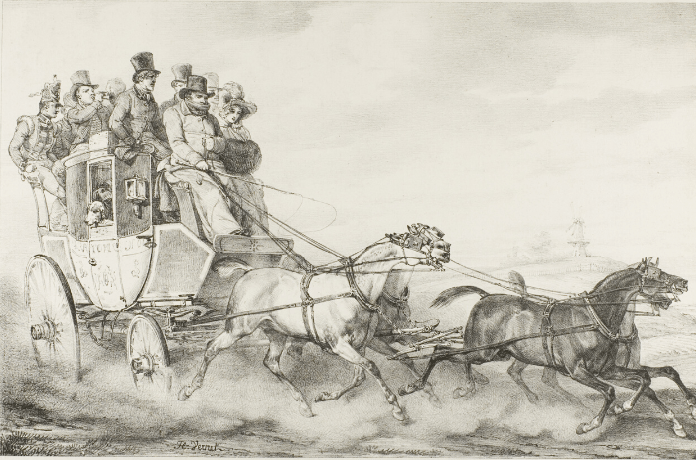
Furthermore, you would be packed into a small, confined carriage with several other strangers, most of whom are likely not highly concerned with hygiene or manners. Imagine people at an airport, just wanting to get from one destination to the next, but without the space that an airplane provides. To say it would be an uncomfortable ride would be an understatement.
If you were planning to start the 180-mile journey to Louisville, your first stop would be in Nashville. There, you would stop at the Nashville Inn, which was at the corner of James Robertson Parkway and 2nd Avenue, where the current Ben West Courthouse is, and you would purchase your $12 ticket, comparable to about $420 today. You would then prepare yourself for the 3-day journey. You might try to get a little bit of sleep before the stage leaves at 1:00 in the morning.
Finally, if you were able to get up and to the stage station by 1:00, you would wedge yourself into the midst of the other passengers and try to find a position to sleep in (maybe on the shoulder of the person next to you) while you bounce north along the turnpike. During the ride you will have several stops at tollbooths along the way, and you probably remember hearing the horses’ hooves clopping over several stone bridges, one of which would have been the Old Stone Bridge in Goodlettsville. After being jostled and shaken along for about six hours, you cross the Kentucky line and travel through the small town of Franklin. Finally, when night has fallen, you make it to your first tavern in Bowling Green, Kentucky.
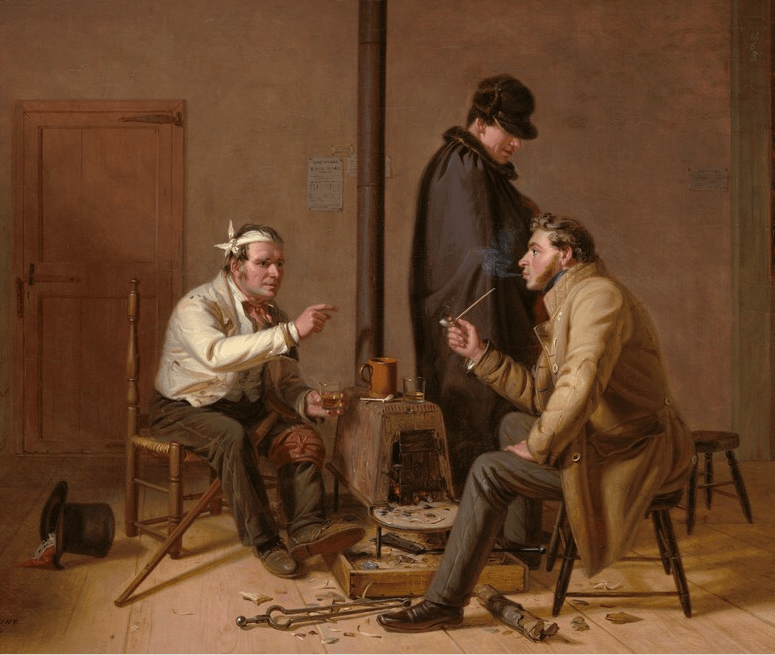
The typical tavern along the turnpike wasn’t the most comfortable place you could imagine. In fact, it could be downright crude. Guests pushed and shoved to get the best seat at the table, and dinner etiquette was generally nonexistent. After a hurried meal, wolfing down whatever you could grab before someone else did, you would be shown to an open room where all the guests bedded down for the night. Whether you got a good sleep or not depended on how tired you were and if you were able to fall asleep before the snorers did.
This routine would be repeated the next day, and your second night you would stay in Elizabethtown, Kentucky, possibly at the Brown-Pusey House, which is still standing today along the current route of 31W. Hopefully, this night’s accommodations would be slightly less primitive than those of the night before. If you were extremely lucky, you may even have a room that you had to share only with the other guests of your own gender. After another restless and crowded sleep, you would be up at the crack of dawn to begin your last leg of the journey.
By the time you reached the Galt House Hotel in Louisville, you were probably asking yourself why you ever thought it was a good idea to take this trip by stagecoach. Sure, a horse may have been slower, but maybe next time you would seriously consider taking a longer trip just to avoid the misery of these past three days.
However, you must remind yourself: You just traveled 180 miles in three days. That is simply unbelievable! There’s no way that travel could ever get faster than that, right?
 Goodlettsville Tourism Blog